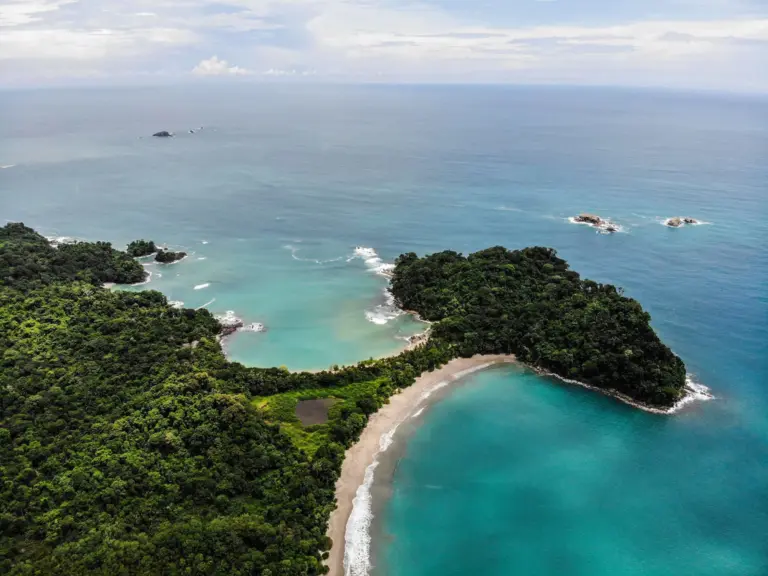
The Isla del Caño Biological Reserve (CIBR) located 82 km south of Manuel Antonio National Park in the Pacific continental region of Costa Rica, is a fascinating destination to explore. The reserve, established in 1978, covers 320 hectares of terrestrial area and 5,800 hectares of marine area, containing one of the most extensive coral reef formations on the Pacific coast of Costa Rica.
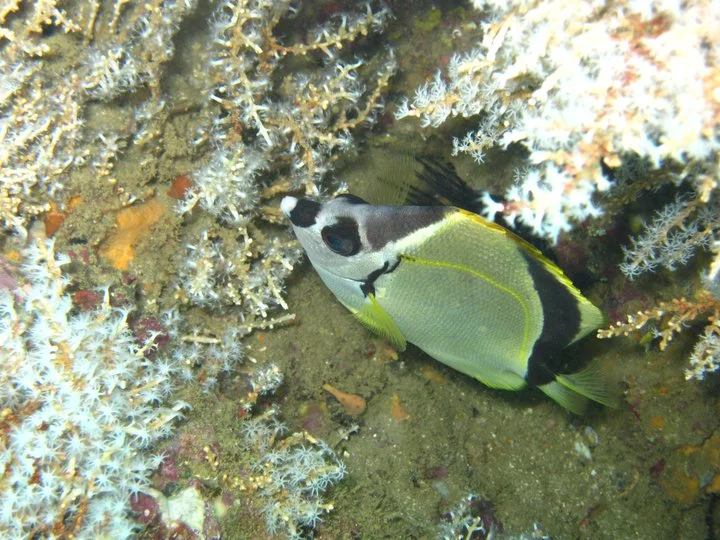
The CIBR is an important breeding area for individual humpback whales and resident species of dolphins. It also boasts a rich diversity of marine life, including Mahi-mahi fish, angelfish, sea turtles, rays, dolphins, moray eels, barracudas, sharks, humpback whales, and tuna. Caño Island’s waters are known for their healthy reefs, and the island serves as an essential example of the rich biodiversity of Costa Rica.
Apart from the marine life, the terrestrial area of the island has much to offer as well. Visitors can explore the remains of the stone spheres created by pre-Columbian civilizations, believed to have been used as a cemetery by Chiriquis societies or as a permanent residence by the Quepoas or Bruncas. More than 500 mysterious spheres were found on the island, and to this day, we do not have confirmed answers as to how they were made and for what purpose. The lack of concrete answers adds a certain mystery, and the stone spheres have been a topic of fascination for many.
Caño Island also served as a trading post for ships, and during excavations, remains of pottery and carved stone artifacts were discovered, leading archaeologists to speculate that indigenous cultures used the island as a key trading post.
To explore the beauty of the island, visitors can choose from various tours, including the Caño Island Scuba Diving Tour and the Caño Island Snorkeling Tour. Both tours are conducted by certified guides, and visitors can witness the beautiful marine life while snorkeling or diving in the crystal clear waters surrounding the island. It is worth noting that being a biological reserve, the number of divers is regulated, and tourists are not allowed to take any marine life, whether alive or dead. So visitors can enjoy the beauty of the island while preserving its natural environment.
Visiting the Isla del Caño Biological Reserve is an experience of a lifetime, and it offers a unique opportunity to witness the rich biodiversity of Costa Rica. The island’s mysterious history, diverse marine life, and beautiful coral reefs make it a must-visit destination for nature lovers and adventure enthusiasts alike.
Share this post
Reviews
Related recommendations