Butterflies are insects of the order Lepidoptera. Costa Rica has about 1,600 species, which represents 8% of all day butterflies in the total world population. Surprising figures.
It is essential to continue researching in this regard. We need to learn more about butterfly behavior and even its economic and development contribution to the country. Most butterflies have camouflage patterns on the underside of their wings to defend themselves. They may have false antennae or certain drawings that simulate two heads, or even pretend to be another animal to direct possible attacks by predators to non-vital areas of the body.
The wings are covered with tiny scales, some of which have certain pigments and others that refract light into certain colors, an effect called iridescence.
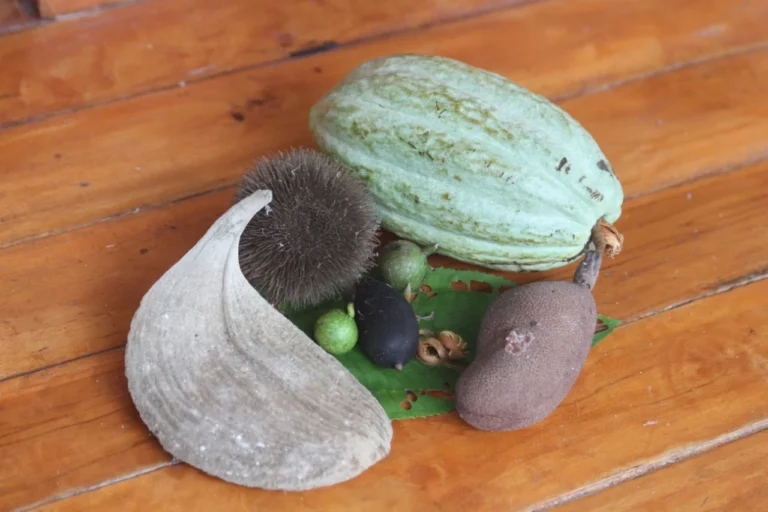
Each species of butterfly deposits its eggs on certain species of host plants. Due to this, butterflies are limited by the distribution of their host plants. This is where we can individually help their proliferation by planting these plant species.
THE BASIC NUTRIENTS THAT BUTTERFLIES NEED ARE: WATER, AMINO ACIDS, SUGARS, AND MINERAL SALTS, FROM WHICH THEY OBTAIN THE NECESSARY ENERGY TO FLY, REPRODUCE AND PRODUCE MORE RESISTANT EGGS.
The differences between moths and butterflies.
For a long time, we have used the bad term of classifying moths as “moths”. If we investigate this issue, we find that moths are a specific family within the moths. They are the ones that we usually find in the closets, since they feed on dead skin and hair. Another myth is related to coloration. Normally we define moths as less colorful than diurnal ones, a fact that has been scientifically investigated and is not true either. We can also find moths during the day. So what is the determining difference? You would have to look at their wings and veins to know. From all this, we can draw the conclusion of how important it is to be specific and not generalize or continue spreading myths.
The most recognizable butterflies in Manuel Antonio are:
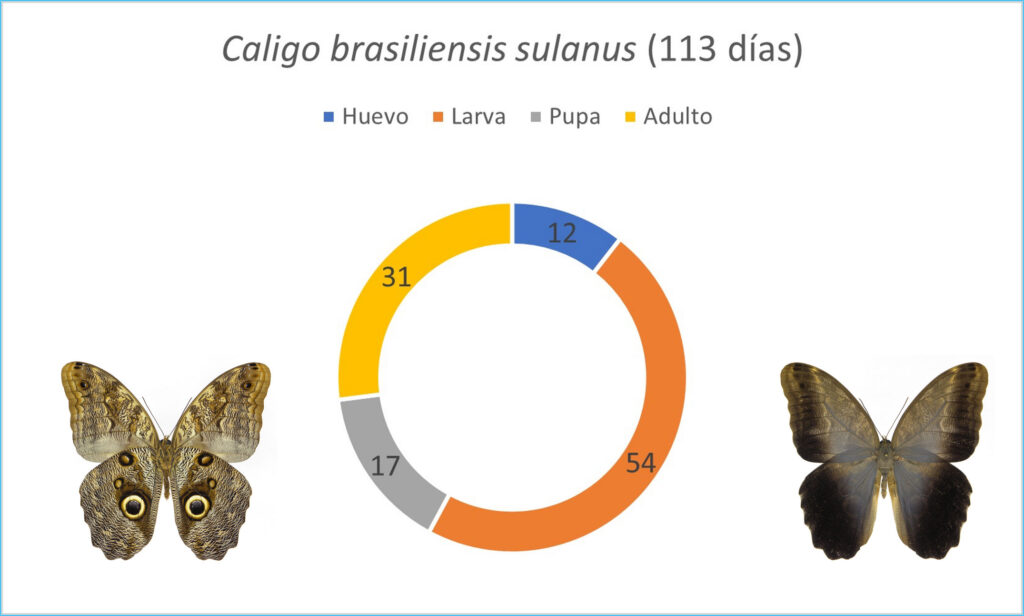
OWL BUTTERFLY (CALIGO BRASILIENSIS SULANUS)
The larvae feed on the leaves of the Platanillas, known as Heliconias, Bijagüas, Platano, Banana. Adults feed on decaying fruits on the forest floor. They inhabit secondary forests, forest edges, secondary growth areas, river banks and streams, and forest-lined paths.
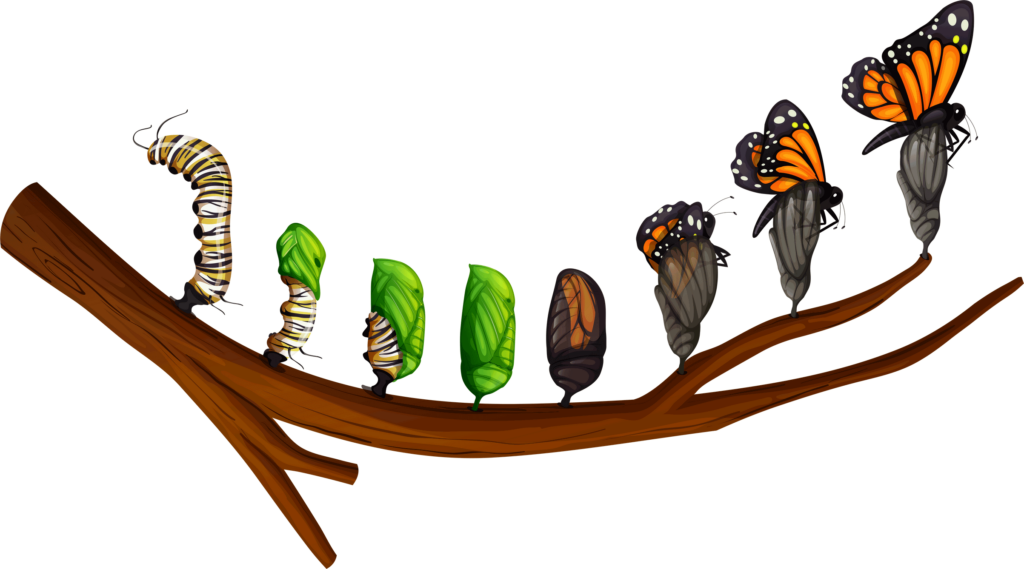
MONARCH BUTTERFLY (DANAUS PLEXIPPUS)
Larvae are observed feeding on milkweed leaves (Asclepias curassavica). While the adults can be found flying and feeding on the flowers of the Lemon, Milkweed, Asteraceae, Cinco Negritos, Damos.
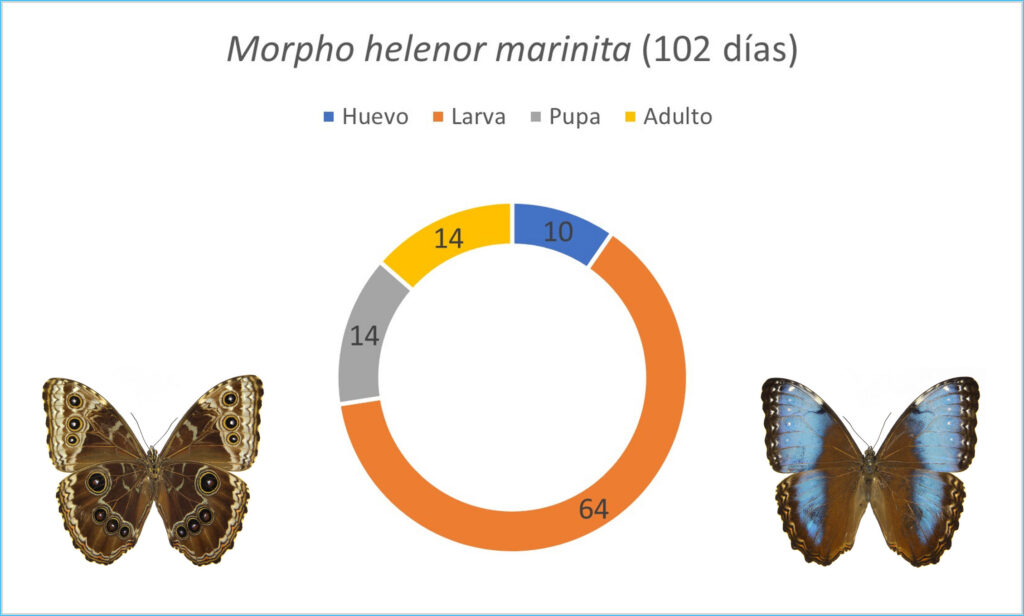
MORPHO BUTTERFLY (MORPHO HELENOR MARINITA)
The larvae feed on the leaves of Ojo de buey, Sangrillo, Arenillo or Almendro de montaña, Chaperno, among many others.
Adults feed on decaying fruits on the forest floor. And they inhabit secondary forests, forest edges, and river and stream margins.
LONG-WINGED BUTTERFLY OR LITTLE POSTMAN (HELICONIUS ERATO PETIVERANA)
The larvae feed on the leaves of different passion fruit or passion fruit (Passifloraceae). Adult Butterflies feed on the flowers of Cinco Negritos, Rabo de Zorro, Pentas, Asteraceae, Hamelia